Posted on

AI in the Classroom

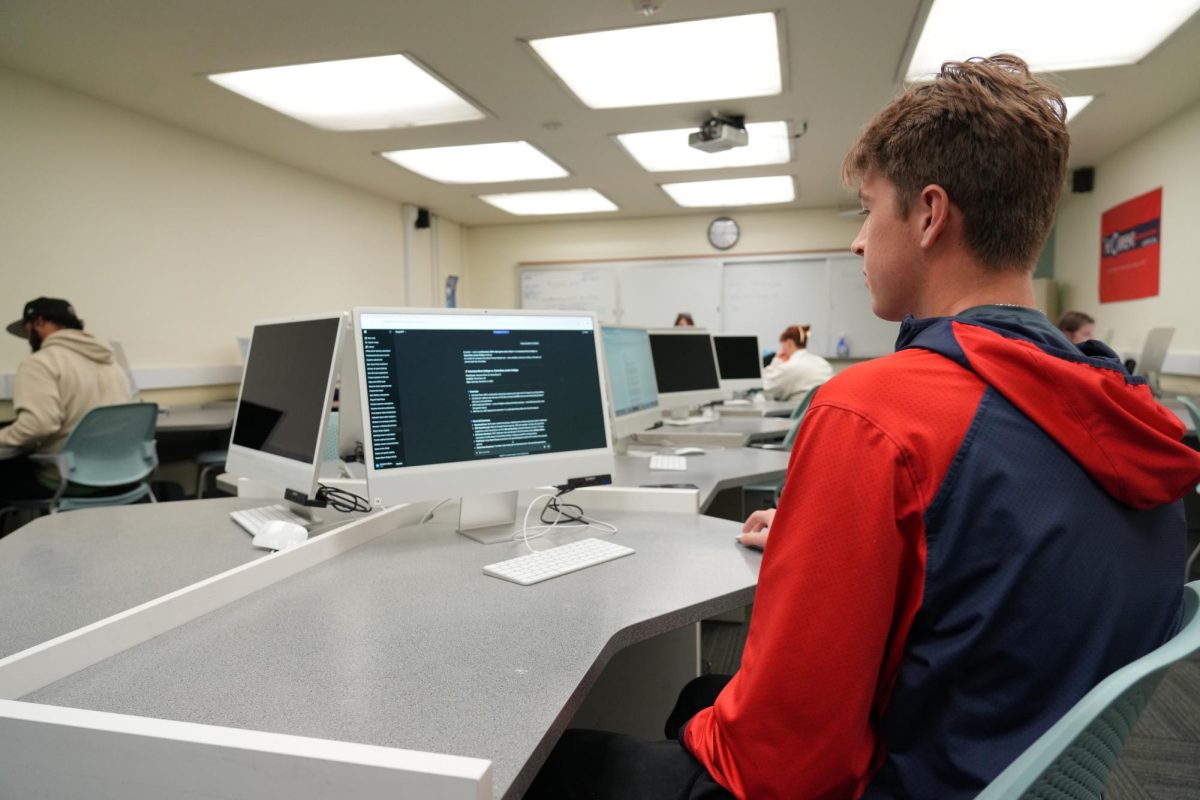
As generative artificial intelligence tools become embedded in daily software, classroom dynamics across Estonia are undergoing a rapid transformation. Rather than imposing blanket bans on AI technology, Estonian students and educators are increasingly experimenting with how large language models and automation tools can be used responsibly to enhance critical thinking and creative output.

In high schools and vocational centers, students are utilizing generative AI as interactive study companions—using tech to summarize complex academic texts, brainstorm project outlines, or test code syntax. For many young creators in local media projects and podcasts, AI tools have streamlined technical tasks like audio transcription and translation, allowing them to focus more energy on investigative research and storytelling.

However, the widespread adoption of AI tools brings fresh challenges regarding media literacy and academic integrity. Students themselves are at the forefront of this debate, emphasizing the need for clear guidelines on ethical AI use rather than punitive measures.

“Using AI shouldn’t mean letting a machine think for you,” says a student media creator involved in youth journalism initiatives. “The real skill today is knowing how to prompt correctly, verify the sources the AI gives you, and recognize potential biases in the generated output.”

Estonian educational institutions are responding by shifting the focus from passive memorization to analytical evaluation. By teaching youth how to critically interrogate AI outputs rather than blindly trust them, Estonia is establishing a modern template for digital education in the algorithmic age.

Author: Artemi Fomin

Posted on

How Student Incubators Drive Youth Entrepreneurship

Estonia’s reputation as a unicorn incubator is well established globally, but the foundation of this entrepreneurial culture is laid much earlier than university graduation. Across the country, secondary school students and young adults are increasingly turning their local ideas into viable social initiatives and tech startups, driven by a robust network of youth-focused incubators and hackathons.

Programs like Junior Achievement Estonia, regional innovation hubs, and youth hackathons provide school-age creators with direct mentorship, seed micro-funding, and practical training in project management. Rather than viewing business creation as a distant adult pursuit, teenagers in cities from Narva to Tartu are actively pitching solutions to real-world problems—ranging from eco-friendly packaging alternatives to peer-to-peer tutoring platforms.

What sets this new wave of youth entrepreneurship apart is its strong focus on community impact and sustainability. Today’s young founders are less driven purely by profit and more motivated by solving social friction within their hometowns or school environments.

“Youth entrepreneurship in Estonia isn’t just about founding the next big tech company,” explains a regional project coordinator. “It’s about instilling agency. When a 16-year-old realizes they can take an idea, assemble a team, pitch it, and receive funding, their entire outlook on civic participation changes.”

By bridging the gap between classroom theory and real-world execution, these student incubators are not only preparing the next generation for an evolving labor market, but also empowering youth to actively shape the economic and social landscape of their regions.

Posted on

Digital Footprint and Mental Health

In a country celebrated as one of the most digitized societies in the world, Estonian teenagers grow up seamlessly integrated into the digital ecosystem. From receiving school grades on e-Kool to authenticating their identity with Smart-ID, online connectivity is an inescapable reality. However, as the boundaries between screen time and personal life continue to blur, a growing number of young people are grappling with a modern challenge: digital burnout and information overload.

Recent discussions among youth workers and mental health advocates highlight how constant exposure to algorithmic feeds, social comparison, and round-the-clock news streams affects the psychological well-being of adolescents. While digital literacy programs in schools heavily focus on cyber hygiene and misinformation, the emotional hygiene of staying online is often left unaddressed.

“Many young people feel an overwhelming pressure to remain constantly reachable and updated,” notes a youth counsellor in Tallinn. “It’s not just about screen time limits anymore; it’s about helping them curate an environment that doesn’t trigger anxiety.”

In response, a grass-roots movement of “intentional connectivity” is emerging among Estonian high school and university students. Rather than advocating for extreme digital detoxes—which can be impractical in a fully digital country—young youth leaders are promoting practical boundaries. Strategies include setting specific notification-free windows, consciously auditing follow lists, and participating in offline community workshops. As Estonia continues to pioneer digital governance, integrating mental health awareness into digital literacy frameworks may well become the country’s next vital contribution to youth policy.