Posted on

What Are Young People in Estonia Listening to and Watching Today?

Estonia has long been considered one of the most digitally advanced countries in Europe. Nearly all public services are available online, schools actively use digital platforms, and young people grow up in an environment where the internet is not an addition to life but a natural part of it. This directly influences the media they consume, the sources they trust, and the way they access information.

From Television to Digital Platforms

For most young people in Estonia, television is no longer the primary source of information and entertainment. Instead, they use YouTube, TikTok, Instagram, Spotify, and various streaming services on a daily basis. One particularly notable trend is the growing popularity of video podcasts. Young people prefer not only to listen to conversations but also to see the hosts, guests, and discussions. As a result, YouTube has effectively become the largest podcast platform for Generation Z. At the same time, many young Estonians are fluent in multiple languages-Estonian, English, and often Russian. This allows them to consume both local and international content with ease.

International Podcasts Lead the Way

If you ask students at universities in Tallinn or Tartu which podcasts they listen to most often, several names consistently appear:

  • The Diary of a CEO
  • Lex Fridman Podcast
  • Huberman Lab
  • Modern Wisdom
  • The Joe Rogan Experience

The reason for their popularity is simple: these podcasts offer long-form, in-depth conversations about technology, psychology, business, health, and the future of society. Young people are looking not only for entertainment but also for knowledge that can be applied to their studies and careers.

Interest in Technology and Artificial Intelligence

One distinctive feature of Estonia is the strong interest young people have in technology. The country is known for its startup ecosystem and digital innovations, and the success of companies such as Skype and Bolt has reinforced the idea that a career in the technology sector can be both accessible and rewarding. As a result, podcasts and YouTube channels covering the following topics are especially popular:

  • Artificial intelligence
  • Programming and software development
  • Startups and innovation
  • Cybersecurity
  • Entrepreneurship

For many young Estonians, online content serves as a form of additional education beyond school and university.

TikTok as the Main Source of Trends

Despite the popularity of long-form podcasts, TikTok is the platform that increasingly shapes trends and public discussions among young people. Through short videos, teenagers and young adults discover new musicians, social initiatives, technological developments, and even political events.
In Estonia, it is becoming increasingly common for a story to gain traction on TikTok before it is discussed by traditional media outlets. This trend creates new challenges related to information verification and media literacy. As a result, schools, youth organizations, and media experts are placing greater emphasis on the importance of critically evaluating content found on social media platforms.

Young People Want to Talk About Security and the Future

Recent global developments have led to a growing interest in security, international politics, and the future of Europe. Young people increasingly follow discussions about NATO, cybersecurity, and societal resilience. However, their approach differs from that of older generations. Rather than relying on traditional news broadcasts, young people prefer podcasts, YouTube interviews, and explanatory videos that present complex topics in a more accessible format.

Local Content Still Matters

Although international creators dominate much of the media landscape, interest in local content remains strong. Young people actively follow Estonian musicians, bloggers, entrepreneurs, and public figures. Stories about successful young entrepreneurs, discussions about Estonia’s future, career opportunities, sustainability, and environmental issues are particularly popular.
Today’s young people in Estonia live in two information spaces simultaneously: the global and the local. They listen to international thought leaders, follow worldwide trends, and actively embrace digital technologies. At the same time, they remain interested in the development of their own country, issues of security, education, and a sustainable future.
This combination makes Estonian youth one of the most digitally engaged and internationally oriented groups in Europe. For them, podcasts and video content are no longer just forms of entertainment-they have become important tools for learning, self-development, and active participation in society.

Author: Christelle Mariely Rammul, Active Youth

Posted on

Digital Impulsivity: Youth Online Spending in Estonia

In the contemporary digital economy, the purchasing behavior of Gen Z and younger Millennials has shifted dramatically from calculated consumerism to highly impulsive, instantaneous acquisition. The phenomenon of online impulse buying among youth is no longer an accidental byproduct of browsing; it is a highly engineered result of algorithmic precision, social validation, and frictionless fintech.

For digital marketers, e-commerce strategists, and consumer psychologists, decoding this behavior requires looking at the global baseline of youth digital spend, and examining how it manifests in hyper-digitized societies like Estonia.

1. The Ecosystem of Instant Gratification

The modern e-commerce landscape thrives on minimizing cognitive friction—the time between a consumer experiencing a desire and completing a purchase. For a generation raised on high-speed internet, this window has virtually vanished due to two main pillars:

  • Social Commerce Integration: Platforms like TikTok, Instagram, and Lemon8 have evolved from entertainment hubs into fully integrated marketplaces. Features like “Tap to Shop” or in-app checkouts turn inspiration into a transaction within seconds.
  • Frictionless Payment Architecture: The widespread adoption of mobile wallets (Apple Pay, Google Pay) and Buy Now, Pay Later (BNPL) services (Klarna, Afterpay) de-links the pleasure of acquisition from the immediate pain of paying. By splitting costs into micro-payments, the perceived financial risk is heavily mitigated.

2. Psychological Triggers of Youth Digital Spend

Youth impulse buying online is rarely about the utility of the product. Instead, it is driven by deeply rooted psychological and emotional triggers:

Trigger Mechanism Impact on Consumer
FOMO (Fear of Missing Out) Flash sales, limited-edition drops, and countdown timers create artificial scarcity. Compels immediate action to avoid regret.
Algorithmic Validation Hyper-personalized feeds echo the user’s exact aesthetic and subculture. The product feels uniquely destined for the buyer, bypassing rational filtering.
Micro-Dopamine Hits The act of scrolling, adding to a cart, and tracking a package releases dopamine. Shopping becomes a primary coping mechanism for boredom or anxiety.

Key Insight: For today’s youth, the traditional marketing funnel (Awareness $\rightarrow$ Interest $\rightarrow$ Desire $\rightarrow$ Action) has collapsed into a single, near-simultaneous event driven by emotional impulse.

3. The Power of Peer Influence and Micro-Influencers

Traditional celebrity endorsements have lost their efficacy among younger cohorts. Today’s digital spend is dictated by relatability.
The rise of “Get Ready With Me” (GRWM) videos, unfiltered product hauls, and “de-influencing” trends ironically create a hyper-persuasive environment. Micro-influencers act as digital peers. When a trusted creator highlights a product, the purchase is categorized by the brain not as an advertisement, but as a friendly recommendation, significantly lowering consumer defense mechanisms.

4. Case Study: The Estonian Hyper-Digital Paradigm

When analyzing youth online impulse buying through a regional lens, Estonia serves as a premier global benchmark. In this highly advanced digital society, global psychological triggers intersect with an unmatched domestic infrastructure.

The E-ID and Security Trust

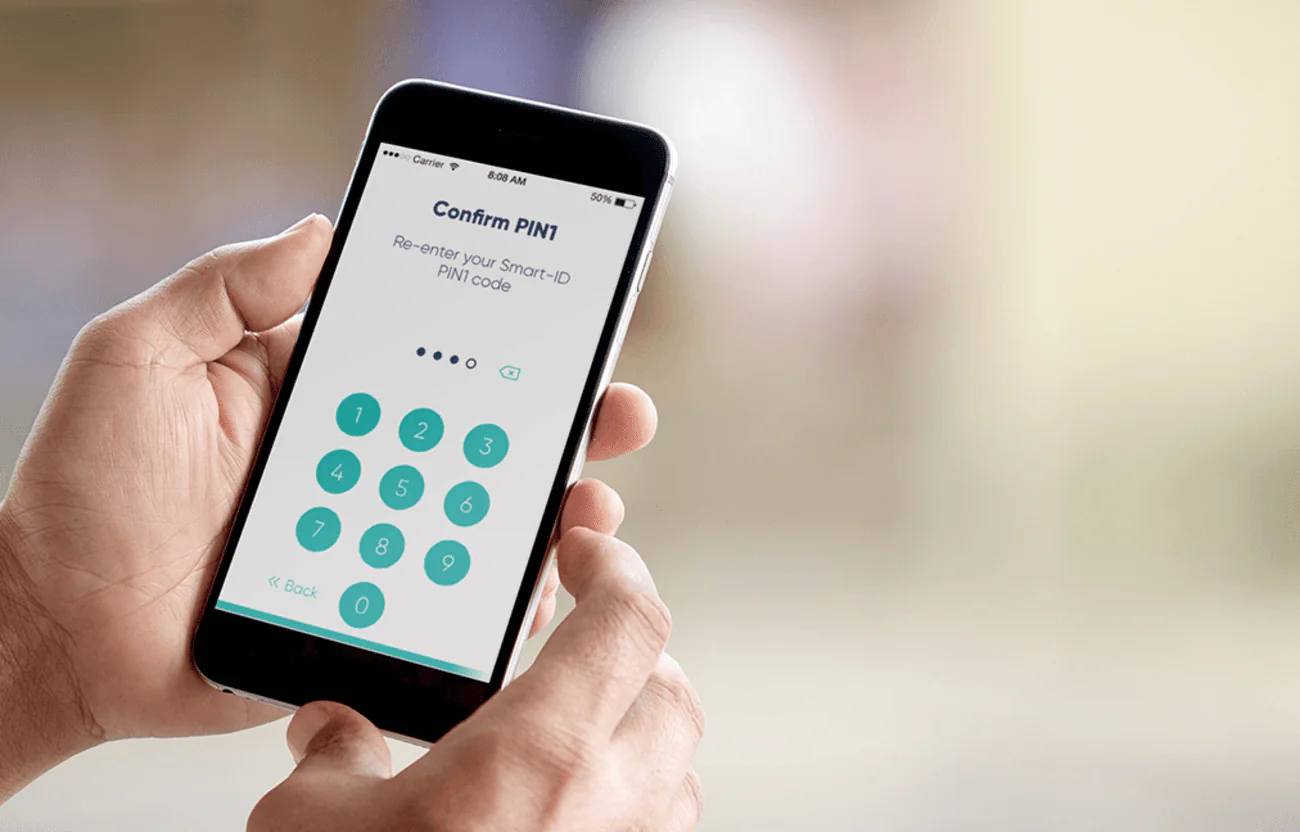
With nearly all public services digitized, Estonian youth possess an innate comfort with digital authentication. The seamless, daily use of Smart-ID and Mobile-ID removes security anxieties during checkout. Because authentication is second nature, the psychological friction of entering payment details is entirely gone.

Logistics and The “Next-Day” Catalyst

Estonia possesses one of the most efficient automated parcel locker networks in the world (Omniva, Smartpost Itella, DPD). The psychological barrier of waiting weeks for a package to arrive is eliminated. Youth shoppers know that an impulse purchase made on a local or Baltic e-commerce platform will often arrive in a locker down the street within 24 to 48 hours. This instant physical turnaround acts as a massive catalyst for spontaneous shopping.

Localized Fintech and Hyper-Proximity Influence

While global BNPL services are popular, the Baltic market is heavily influenced by regional players like Inbank, which offer “Buy Now, Pay Later” solutions tailored specifically for local e-shops. Furthermore, in a small market like Estonia, the distance between influencers and consumers is incredibly short. A TikTok creator isn’t a distant icon; they are someone the consumer might run into at a café in Telliskivi or a mall in Tartu. This hyper-proximity elevates trust exponentially.

5. Strategic Implications for Brands

To successfully capture and retain the attention of high-velocity youth shoppers without triggering consumer fatigue, brands must adapt to these shifting dynamics:

  • Contextual Commerce: Meet consumers exactly where they are. If your target audience spends hours a day on a specific video platform, the entire shopping journey must live within that platform.
  • Authenticity Over Gloss: Gen Z detects corporate staging instantly. User-generated content (UGC) and raw, unedited product demonstrations drive significantly higher impulse conversions than high-budget studio campaigns.
  • Frictionless, Localized Delivery: Especially in advanced markets like the Baltics, integration with local parcel networks and fast, transparent checkout options (like instant bank links) are non-negotiable for conversion.

Conclusion

The intensive online purchasing habits of today’s youth represent a perfect storm of advanced behavioral tracking, seamless financial technology, and a cultural craving for instant gratification. In highly digital nations like Estonia, this behavior is supercharged by an infrastructure built for speed. For modern businesses, mastering this landscape requires more than just a standard website; it demands an agile, omnipresent digital strategy that understands that in the modern market, speed, trust, and emotion trump logic every time.

Author: Maksim Boitsov, Active Youth

Posted on

Smart-ID as a Superpower: How Estonia’s Digital Signature Erased Barriers for Youth Activism

In most countries, starting a Non-Governmental Organization (NGO) is a bureaucratic nightmare. It involves weeks of physical paperwork, notary appointments, bank visits, and endless processing delays. For young changemakers, this red tape is a massive barrier to entry.

But not in Estonia.

Here, starting a youth organization—formally known as an MTÜ (Mittetulundusühing)—is as simple as ordering a pizza. The catalyst behind this unparalleled civic agility is Smart-ID.

The 15-Minute Revolution

Estonia’s Smart-ID, alongside Mobile-ID, is not just a tool for checking bank balances; it is a legally binding digital identity. Under European law (eIDAS), a digital signature created via Smart-ID carries the exact same legal weight as a handwritten signature witnessed by a notary.

For a group of 18-year-olds in Tartu or Tallinn wanting to register a climate advocacy group or a student media hub, the process is entirely digital:

  • They log into the Estonian Business Register (Äriregister).
  • They draft their NGO articles of association using pre-made templates.
  • Every founding member signs the document digitally using their Smart-ID app.
  • The state fee is paid online, and within a few hours (sometimes minutes), the MTÜ is legally active.

Lowering the Age of Initiative

This seamless digital process has democratized civic engagement. Historically, older generations dominated local organizing because they had the time and resources to navigate the bureaucracy. Today, Estonian high schoolers and university students are setting up legal entities to apply for municipal youth grants, host international cultural exchanges, and organize local festivals.

Because managing bank accounts, signing partnership contracts, and submitting annual tax reports can all be done via smartphone using Smart-ID, youth-led MTÜs can operate with the structural professionalization of a corporate startup. Smart-ID has successfully transformed activism from an informal hobby into a legally recognized, highly efficient engine of social change.

Author: Daniel Maks, Active Youth