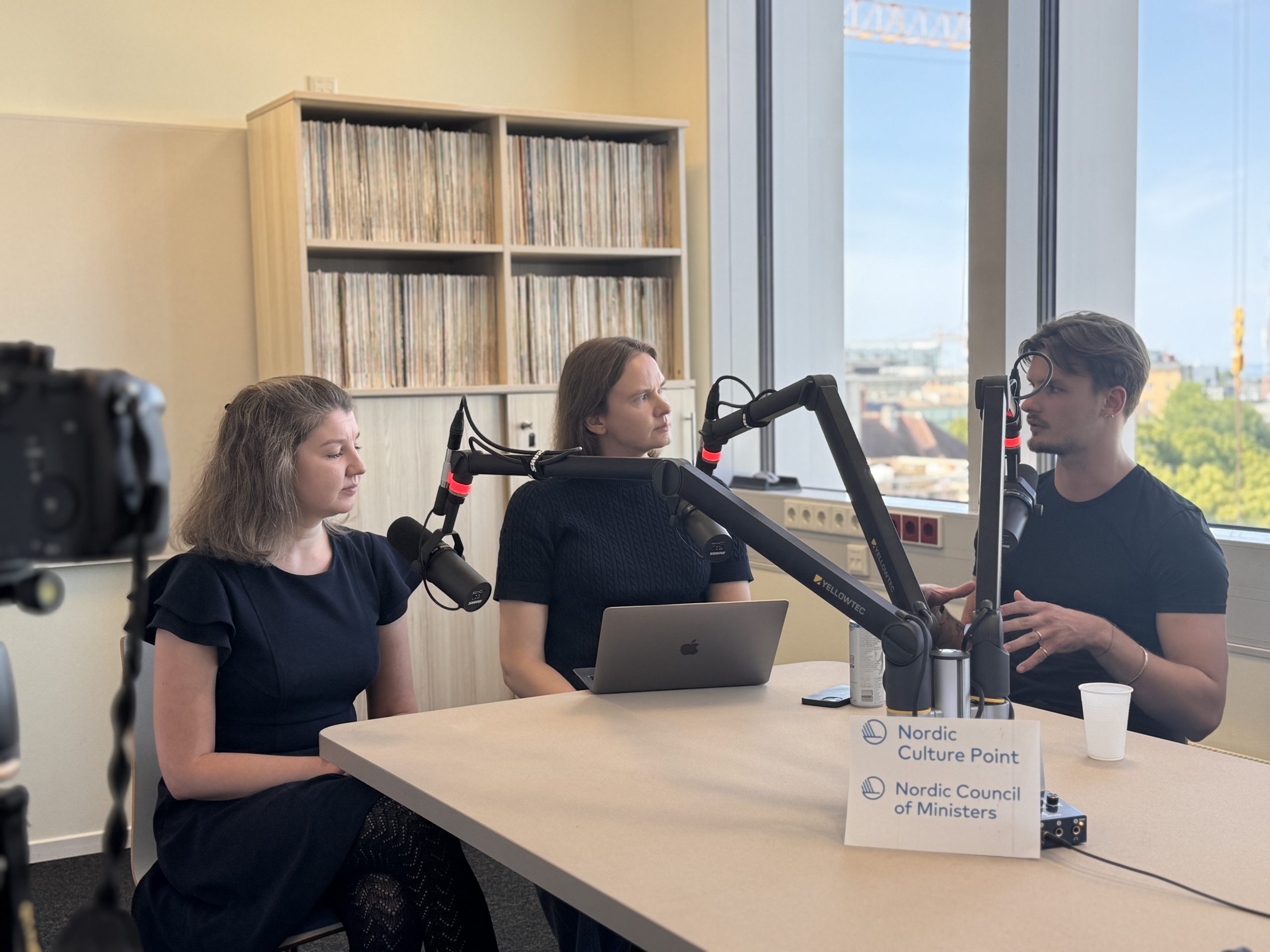
A new podcast episode produced within the Nordic Youth Media Lab explores how artificial intelligence is transforming education in Estonia. Bringing together teachers, university experts and AI education practitioners, the conversation examines how students and educators already use AI and how schools can integrate it responsibly.
The discussion highlights the need for clear, fair and transparent guidelines. Rather than developing rules only for students, schools should involve young people in shaping them. This participatory approach can strengthen trust, responsibility and a shared understanding of both the possibilities and limitations of AI.
The guests emphasise that AI should support learning without replacing independent thought, creativity or critical analysis. Teachers also need practical training, suitable tools and institutional support to use AI confidently and ethically. At the same time, assessment methods must evolve: schools should increasingly value the learning process, including research, reflection and problem-solving, rather than focusing only on the final result.
The episode also considers the future of classrooms and relationships between students and teachers. While AI may personalise learning and reduce routine tasks, education remains fundamentally human. Dialogue, empathy, motivation and personal connection cannot be replaced by technology.
The podcast contributes to the Nordic Youth Media Lab’s wider work on media literacy, AI awareness, digital ethics and responsible participation. By connecting educational professionals with young people, the project encourages critical discussion about how AI can strengthen education while protecting fairness, transparency and human agency.
Watch the podcast on YouTube: Learning in the Age of AI
The Nordic Youth Media Lab is supported by Nordic Culture Point through the Norden 0–30 Programme and promotes youth cooperation, creativity, critical thinking and responsible digital participation across the Nordic-Baltic region.